How Much Fabric to Back a Baby Quilt
Every handmade quilt is a work of art, full of intricate puzzle-piece fabric shapes stitched cunningly together into ane large design. If you're new to the world of quilting, you may find yourself wandering the aisles of your local sewing shop, trying to select the correct fabric. What is quilting textile, and where can y'all find it?
The most popular type of quilting cloth is quilter's weight cotton, which contains 100% cotton fiber in a medium-weight patently weave. This dense form of cotton does not shrink much in the wash and tin withstand years of use. Other pop quilting materials include flannel, wool, and linen.
In this article, you will find out what defines a good quilting material. You will also learn the key characteristics of the peak vii quilting materials. Finally, you will discover quilting resources to help you lot get started sewing your quilt!
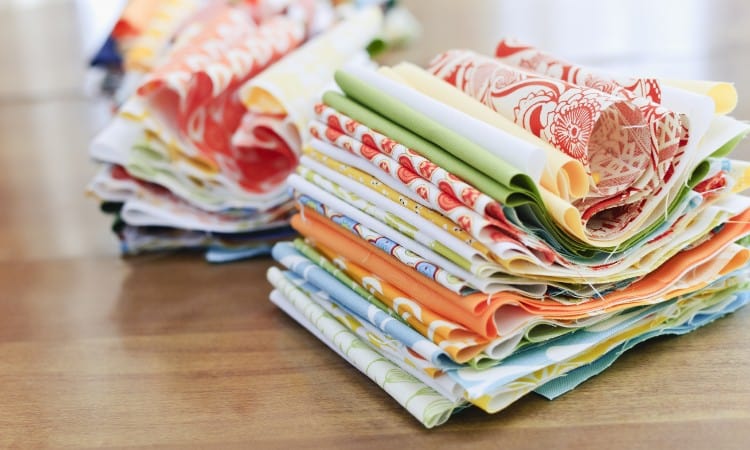
What is Quilting Cloth?
Quilting material could describe any material used to sew a quilt, but information technology ordinarily refers to 100% medium-weight quilting cotton. This semi-strong material typically features intricate prints in any design imaginable.
Almost quilting materials use a plain weave, pregnant a basic over-nether basketweave blueprint. The better-quality fabric has a denser weave. You don't want to use a loose weave in your quilt because it will have much less force and durability!
Good-quality quilting cotton has a high thread count to brand it soft to the bear upon despite its heavier weave. This textile is the near popular for quilting considering information technology doesn't stretch equally much as a thinner textile during sewing, and information technology holds up through many washes.
That said, you may adopt to apply fuzzy cotton flannel, especially if yous want to sew a infant quilt!
Or you can blueprint a novelty quilt using old t-shirts to create a memorable keepsake.
Many different types of fabric can make beautiful quilts. In one case you know what to look for in each type, you lot can choose which material best suits your needs!
Weight of Fabric
Quilter's weight cotton is medium-weight quilting cotton wool that weighs more per square yard than apparel cotton. Quilting cotton weighs more because information technology has a dumbo weave, a high thread count, and a stiff texture.
For example, quilting cotton unremarkably weighs at least iv oz per square yard. Apparel cotton wool such every bit cotton lawn just weighs two to three oz per square m.
Does using quilters weight cloth thing? Well, this denser, sturdier cloth gives yous a lot of advantages during the quilting process, equally you will see!
Parts of the Quilt
Understanding the basic parts of a quilt, such as quilt blocks, bankroll, and binding, will assist you choose the best fabric.
When y'all design a quilt, you almost always build the design in squares, chosen quilt blocks. These blocks typically mensurate 10 inches foursquare, five inches square, or ii.5 inches square, depending on the size of the finished quilt.
When yous talk about quilting fabric, you commonly hateful the material used to create these quilt blocks. That said, you likewise need material for two other cardinal portions of the quilt: the backing and the binding.
Quilt backing forms the bottom layer of the quilt sandwich. You will virtually often see a patently textile used hither, such as undyed white or cream. For a sturdy, long-lasting quilt, you may want to use quilting cotton fiber for this layer.
That said, you can also apply lighter-weight cotton for a more cost-effective backing. Equally a pro tip, creating the backing is easier if y'all purchase a wider textile with a 60-inch or fifty-fifty 108-inch width instead of the 45" width of nearly quilting cotton fiber.
Bounden covers the raw edges of the quilt, giving it a neatly encased outer perimeter. You can purchase premade fabric strips for this purpose or cut your ain. If yous accept a quilt with a curved outer edge, you volition need a bias-cut binding that will stretch to fit the curve.
Quilt binding often uses quilting cotton wool in a color that matches or complements the design in the quilt blocks. Alternatively, you can too utilize satin edging for a super-smooth end!
Top 7 Best Types of Fabric for Quilting
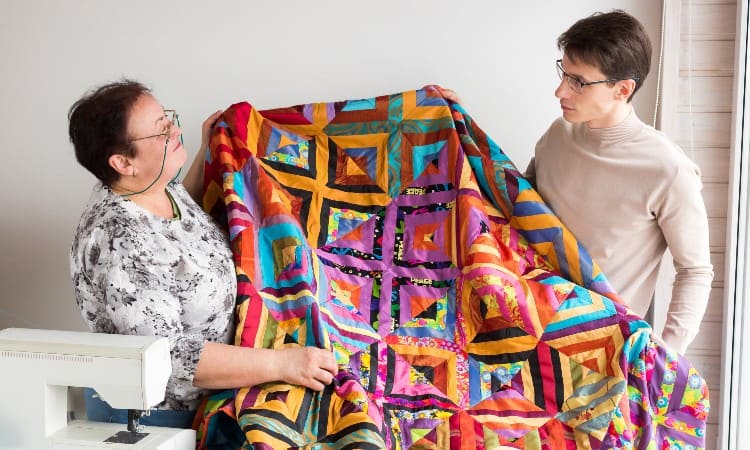
If you aren't sure what fabric to choose for your next quilt, take a look at the seven most popular choices for quilting fabric. Each i has strengths and weaknesses, of form. Each type of fabric besides creates a unique look and texture for your quilt.
No matter what material y'all choose, you should select just one type of fabric for the whole quilt. Mixing types of textile together may look dainty at commencement, but the different fabrics will stretch and shrink differently the offset fourth dimension you have to wash the quilt!
Plus, you should e'er apply thread made of the same textile as your fabric, and you don't desire to have to switch thread spools constantly as you sew from i cloth to another!
1. Quilter'south Weight Cotton wool
 By far the most popular choice for quilting, quilter'south weight cotton fiber has a unique thickness and durability that makes it an excellent choice for a long-lasting quilt. Information technology holds its shape well and does not stretch out easily during the sewing procedure. Information technology also washes well and lasts a long time considering of its extra weight and thickness.
The potent edges of quilters cotton too don't fray quite as rapidly. This fabric cuts out easily and allows for precisely matching shapes to build your quilt blocks. Different lighter material that hands stretches or skews equally you lot sew seams, quilters textile will not stretch out hands if you pin or clip it neatly before you stitch.
Now, not all quilter's weight cotton is created equal. Premium brands sell cotton that has a college thread count. For example, good-quality quilting cotton should have a thread count between 68-78 threads per square inch, while your average quilting cotton comes in at just lx.
Quilting cotton is non the same as apparel cotton. While you tin use quilting cotton to brand certain types of clothing, it normally feels too potent to rest comfortably confronting your skin. Apparel cotton fiber drapes easily because of its lighter weave and feels softer to the impact.
Quilting cotton fiber does wrinkle easily, but it also irons well. Y'all can steam or atomic number 26 wrinkles out in a jiffy as you put your quilt blocks together! Yous need to pre-wash any type of cotton earlier quilting, though, because even high-quality cotton fiber shrinks in the wash.
2. 100% Quilting Cotton wool
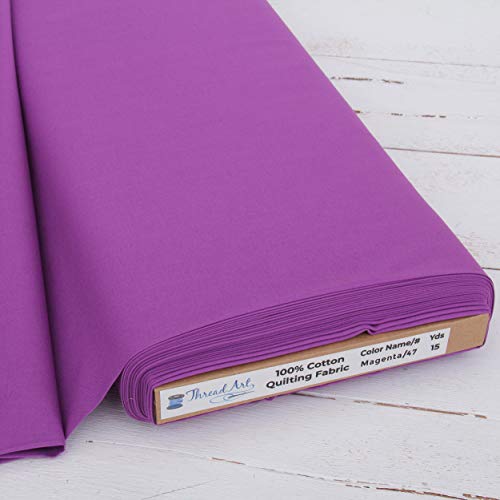 This is a fleck of a trick category considering 100% quilting cotton should be the same thing as quilter'due south weight cotton fiber, just under a slightly different name. You do have to take care with all the names and descriptions used effectually quilting cotton, though, to make sure you get the loftier-quality cloth you want for a long-lasting quilt.
Commencement and most important, 100% cotton is non the same affair as 100% quilting cotton! Yous know from the previous department that apparel cotton, while pretty, stretches too easily for good quilting.
Most of the material you lot find displayed at a sewing chain shop like Joann Textile or Hobby Lobby volition feature the 45" wide, under threescore thread per foursquare inch type of quilter'due south weight cotton fiber. The fat quarter packets you lot can purchase from these stores contain remnants from these bolts.
This is not terrible fabric, by any ways! Information technology's not premium quality, simply information technology is usually the correct weight. If you're simply starting in the world of quilting, you may want to practise with these less expensive varieties of quilting cotton.
Only in instance, though, you may want to check. If you unroll the bolt merely a bit, you can bank check the drape of the fabric. Soft apparel cotton will hang loosely from the commodities, while the stiff, denser vesture of quilting cotton volition stick out and hang in more of a directly line.
You should besides rub the material betwixt your fingers. If information technology feels thicker and stiffer than your cotton bed sheets, you've found quilting cotton!
3. Voile
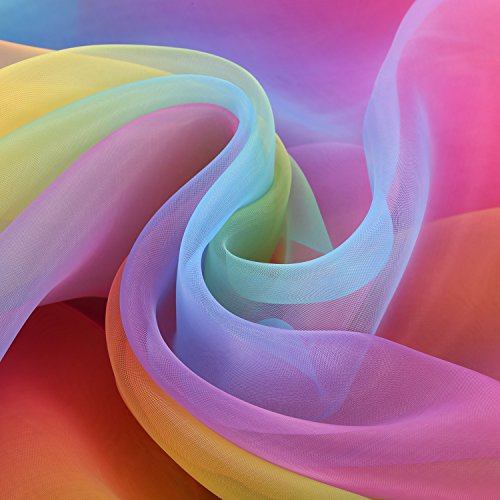 Can you quit with a lightweight cloth such as voile? The answer is yes and no. Voile has a satiny feel to it and veil-like transparency. Traditionally made from cotton fiber, you often find it either fabricated from 100% polyester or containing a polycotton alloy these days.
Though quilting with voile presents some challenges, this semi-sheer material creates much lighter, libation quilts than quilter's weight cotton. Quilts meant to hang for artistic purposes or summertime quilts often use this light material.
Of course, sewing on glace voile presents some challenges perhaps best left in the hands of experienced quilters! You volition need to apply silk pins and a finer needle on your sewing machine. Plus, voile usually costs quite a scrap more than quilting cotton.
That said, voile has a few advantages, also! It shrinks less than quilting cotton in the wash. Yous can also annul the difficulty of piecing together glace scraps of voile by using a little spray starch.
four. Cotton fiber Flannel
 Cotton flannel quilts make an adorable, heartfelt gift to welcome a new baby! Of form, you tin can make flannel quilts for other occasions as well, merely a stroll down the baby-print loaded flannel aisle at any sewing store will rapidly testify you how popular this extra-soft version of cotton fiber is for baby blankets. Cotton wool flannel has a soft nap made by scraping metallic bristles over the woven fabric during its production. This lifts out thousands of tiny cotton fibers, creating that lovely, velvety surface! You will want to brand sure you purchase actual 100% cotton flannel past reading the end of the bolt or the production clarification considering some flannel contains polyester these days.
Polyester costs less than cotton fiber, just if you're making a baby gift, you probably want to use 100% cotton fiber or fifty-fifty organic cotton flannel. On top of this, flannel can also have a college and lower thread count that impacts its quality. If you lot hold up a scrap of the material to the lite and you tin can meet a loose weave through the flannel fuzz, you probably have low-quality cloth!
Quilting with flannel does present a few unique challenges. First, cutting it out neatly, especially if the material has a plaid or striped pattern, may give y'all a headache. You should try a trivial spray starch to keep the material direct while you cut!
2nd, flannel frays all over the place. You tin can use pinking shears to continue the fraying at bay while you lot stitch, but you will need to terminate all your seams by using a serger or a zigzag stitch wherever possible for long-term protection.
five. Wool
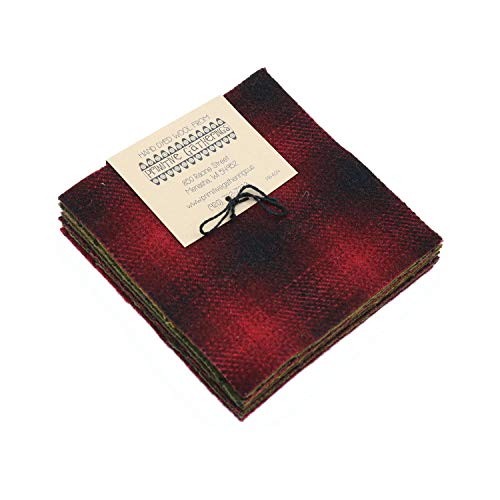 If you lot want a truly insulating quilt, consider quilting with wool! Wool fibers have a unique crimped quality that helps them hold in pockets of warm air. Wool offers all-natural protection from mold and mildew and is also flame-resistant! Plus, this quite amazing material lasts a long time with the proper care.
Wool also does not fray when you cut it! This makes cutting out all the shapes for your quilt blocks a breeze.
On the downside, 100% all-natural wool costs a lot. Information technology also has more than bulk than the quilter's cotton, so yous will need to use stiff thread, a heftier needle, and possibly a walking foot on your machine. You volition have to press seams open inside the quilt to avoid creating big ridges at every intersection, likewise!
You lot also will not find the vast assortment of printed patterns you can become with quilting cotton if you go with wool. That said, wool quilts may last for decades and they offer a really applied choice if you live in a cold climate.
vi. Quilter'due south Weight Linen
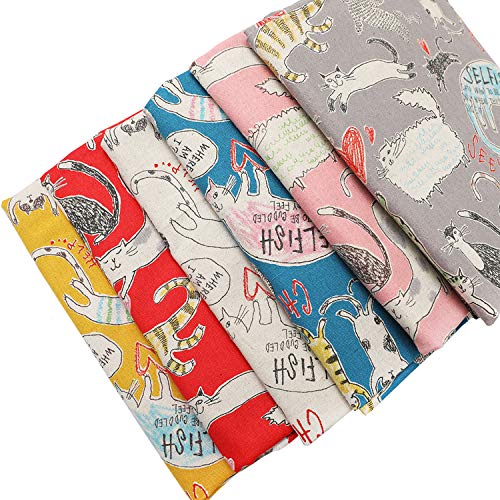 Y'all tin detect linen in various weights, including a thicker, denser version termed quilters weight linen. Linen, an all-natural material made from flax fibers, ordinarily has a nubby loose weave that looks homespun and feels amazingly soft.
Flax fibers have hollow pores, which means that a linen quilt will provide amazing insulation, as well!
Some experienced quilters warn against using linen for quilting considering it shrinks easily and its looser weave can cause pieces to shift around as you sew together.
That said, you can use linen if you brand a few adjustments. First, y'all shouldn't mix lineman and cotton in a quilt. This is just asking for trouble as the fabrics shrink at different rates.
2nd, linen unravels fast every bit yous cut it. You will demand spray starch to help you cutting out all the pieces.
Finally, yous will need to use small stitches, a slightly larger seam assart, and finished edges if you want to piece of work with linen.
7. Novelty Materials
Here's the thing: you can make a quilt out of but about any textile, including one-time t-shirts, pieces of your wedding wearing apparel, or bits of your child's baby wearing apparel! This quilting creates a precious keepsake, just piecing together these materials won't necessarily make the nigh durable quilt.
For the easiest quilting experience and the about usable quilt, you are all-time off working with quilting cotton wool. That said, making a quilt has been a way to stitch memories and share experiences for hundreds or even thousands of years, so go alee and make that t-shirt quilt!
If you want to utilise stretchy or fragile material, you tin try applying fusible interfacing to the back of the cloth before cutting it out. As a pro tip, you will probably find this kind of quilting easier if you merely cut out blocks of each "retention" cloth instead of trying to slice together an elaborate blueprint for each quilt block.
What Is Double-Faced Quilted Fabric?
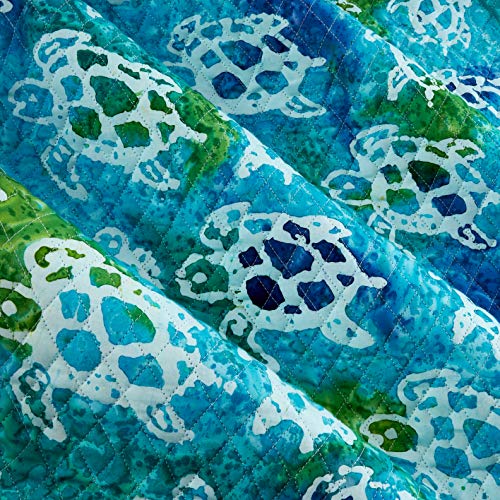 Double-faced quilted fabric is actually ii pieces of material sandwiching a thin layer of batting, all held together by diamond-shaped stitching patterns. Y'all tin recollect of this as "pre-quilted" textile.
Yous practise not want this kind of cloth for your quilting projects, but it does come in handy if you desire to sew a warm jacket. You tin can besides make pillows, simple blankets, and many other projects out of this padded textile.
Quilted fabric tin can contain many different kinds of material, such as plainly weave cotton wool, polyester, or cotton or polyester broadcloth.
What Is Pre Quilted Material?
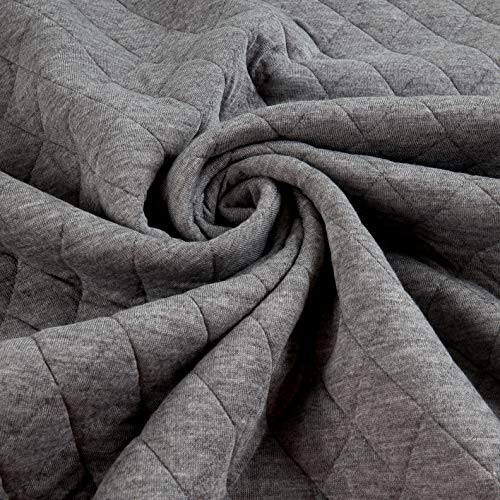 Pre-quilted material is just another name for the double-faced fabric. It describes ii pieces of fabric sewn on either side of a thin layer of batting. Batting is a sparse canvas of pillow stuffing and can comprise either cotton or polyester fibers.
This is non a cloth y'all will want to utilise if you lot plan to cutting out and slice together quilting blocks. That said, you can utilize one large slice of pre-quilted material and simply sew on a binding edge to make a quick, cute blanket!
While this may non exactly autumn into the category of "quilting," it still makes a nice end product. If you need a gift in a hurry, y'all should purchase pre-quilted fabric!
How to Cull Material for a Quilt
Selecting exactly the right fabric for your quilt matters a lot because you will spend many hours cutting out, piecing together, and sewing this complex project! After putting all that wok in, yous do non want to experience the tragedy of seeing your quilt unravel in the wash.
So, consider these quick tips as you make your selection:
- Don't mix and match dissimilar kinds of cloth in your quilt blocks. Y'all can, of course, mix many unlike prints and colors in your design, only use all quilting cotton or all voile, etc. Mixing fabric types can crusade strain on the seams and end upward unraveling or stretching portions of the quilt.
- Unless y'all're making a t-shirt quilt, avoid using knit cloth. This type of cloth has too much natural stretch to create precise shapes while sewing.
- Besides, use thread made of the same material every bit your fabric almost all of the time. The i exception to this rule is that you may desire to utilise strong silk thread if yous quilt with wool.
- Practice pre-wash your textile. This should preclude shrinking or fifty-fifty tearing when you get to wash the finished quilt.
- It's tempting to purchase cost-effective synthetic materials like polyester, but these plastic-based products don't handle high heat well, and quilting ofttimes requires a lot of ironing. Plus, people with sensitive pare may not want a quilt made from synthetic material. If yous program to spend 20 hours or then crafting a quilt, you should probably splurge on good all-natural material to make the best product possible!
- Along those lines, if you tin afford premium-quality quilting cotton, yous should trounce out for it! Ultimately, fabric with a denser weave and college thread count volition last longer and wait nicer than cheaper material.
What Is the Divergence Between Cotton and Quilting Cotton fiber?
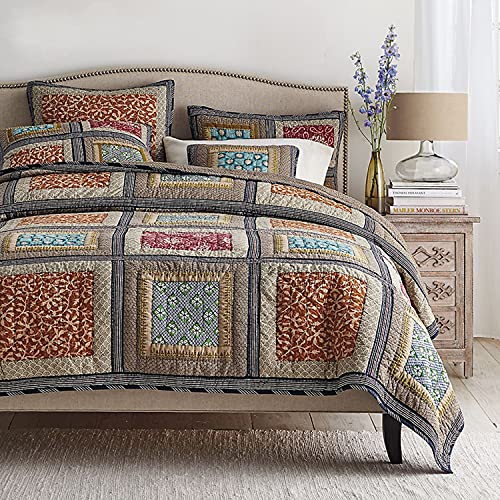 Quilting cotton has a denser weave and a heavier weight than clothes cotton fiber. Quilter'due south weight cotton wool should also have a high thread count, ideally over 68 threads per square inch. This potent, durable material cuts easily and allows for piece of cake piecing together as yous sew together.
Regular and quilting cotton contain 100% cotton wool thread, and then don't go by that when you select your quilting material! Instead, await for a thicker, stiffer fabric that doesn't drape loosely.
The good news is that quilting cotton often costs less than apparel cotton considering it is sold in a 45" width instead of a 55" inch width like nigh apparel fabrics. It as well comes in a huge range of prints, patterns, and colors.
What is Premium Quilting Fabric?
Premium quilting textile is 100% cotton fiber quilting material that has a high thread count and uses a more than complex dying procedure. This type of quilting material costs more and often comes from specialized brands rather than big concatenation stores.
Premium fabrics often offset with higher-quality cotton staples and employ cotton threads that have a finer bore. This, combined with the higher thread count, makes for a silkier finished production with the necessary dense weave for durability.
On top of this, many premium quilting materials feature flat-bed press printing instead of the less complex high-speed rotary press used by cheaper fabrics. This allows for detailed engravings and more layered colors in the design.
If you can afford it, premium quilting fabric does make beautiful, durable quilts.
What Material is Best for Quilt Backing?
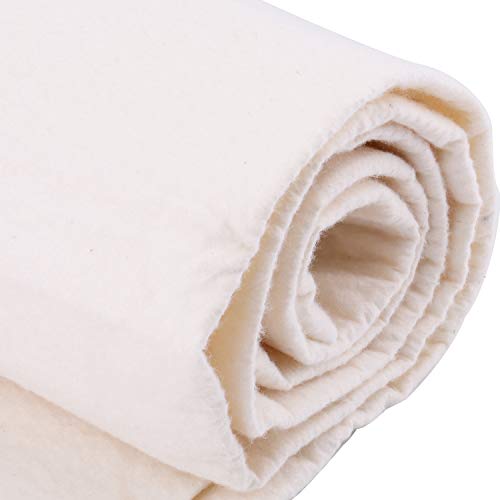 Most of the time y'all will want to employ the aforementioned fabric for the front and backing of your quilt. That said, quilting cotton offers a strong, durable material for quilt backing and is the almost pop selection for quilt backing.
As y'all probably know, a quilt backing forms the lesser layer of the quilt, resting beneath the quilt face and the batting.
Yous can buy extra-big pieces of fabric especially for quilt backings. You lot will sometimes see this material chosen "wideback" textile. It comes in a 108" width!
Alternatively, you tin can easily slice together big chunks of quilting cotton to make your own backing.
You should always cut your backing three to four inches larger than the planned size of the quilt face up. This allows room for shrinkage or shifting every bit your piece together the quilt blocks.
Where Can You Purchase Quilting Textile?
You lot can buy quilting material at sewing stores, online craft sellers like Etsy, and specialized brands like Robert Kaufman. On top of this, you can discover many online stores specializing in selling quilting fabric, such every bit the fatty quarter shop or even fabric.com.
Buying from a reputable brand similar Robert Kaufman lets y'all know for sure you're purchasing premium quilting fabric. Of course, this choice typically costs more than!
Buying from a box shop allows you the fun of wandering the aisles and comparing all the pretty prints, which tin as well be part of the fun! Typically, large sewing stores will sell basic quilting cotton and non premium-quality cloth, though.
If you desire a truly personalized quilt, buying unique designs or even hand-dyed material off Etsy might appeal to you. Yous volition demand to do a little research to make sure yous go fabric with a high thread count and the proper weight if yous buy from an online seller.
Buying from an expensive make or your nearby craft store each has its ain pros and cons. The bottom line is that you should make a quilt that suits your taste. Yes, you will find quilter's cotton easier to work with than any other cloth. But if you want to make a flannel quilt, a wool quilt, or a t-shirt quilt, become for it!
Conclusion
Quilter's weight cotton fiber is the most popular option for quilting fabric considering information technology has a thicker, durable weave that allows for easy cut and sewing. Cotton fiber with a loftier thread count volition feel softer and final longer than cheaper quilting cotton. That said, lightweight cotton wool voile or fuzzy cotton flannel can likewise make lovely quilts if you desire a softer or silkier quilt for special circumstances.
Some other pop type of quilting uses emblem fabric like pieces of a t-shirt to create a retentiveness quilt. Using this material presents some sewing challenges but offers a thoughtful way to memorialize a person or a piece of family history.
Have y'all ever fabricated a quilt? What type of material did y'all use? Go out a comment below to let u.s. know!
Source: https://silverbobbin.com/what-is-quilting-fabric/
0 Response to "How Much Fabric to Back a Baby Quilt"
Post a Comment